The Complete Guide to Custom Sender IDs in Nigeria
Learn what a custom Sender ID is, why Nigerian networks require registration, and how to get your brand name approved for SMS in Nigeria

You write a message, press send to thousands of contacts, and wait for replies that never come. Most of the time the problem isn't SMS itself. It's one of a handful of bulk SMS campaign mistakes that quietly cut delivery, trust and response. The good news is that each one can be fixed before your next send.
Key takeaways
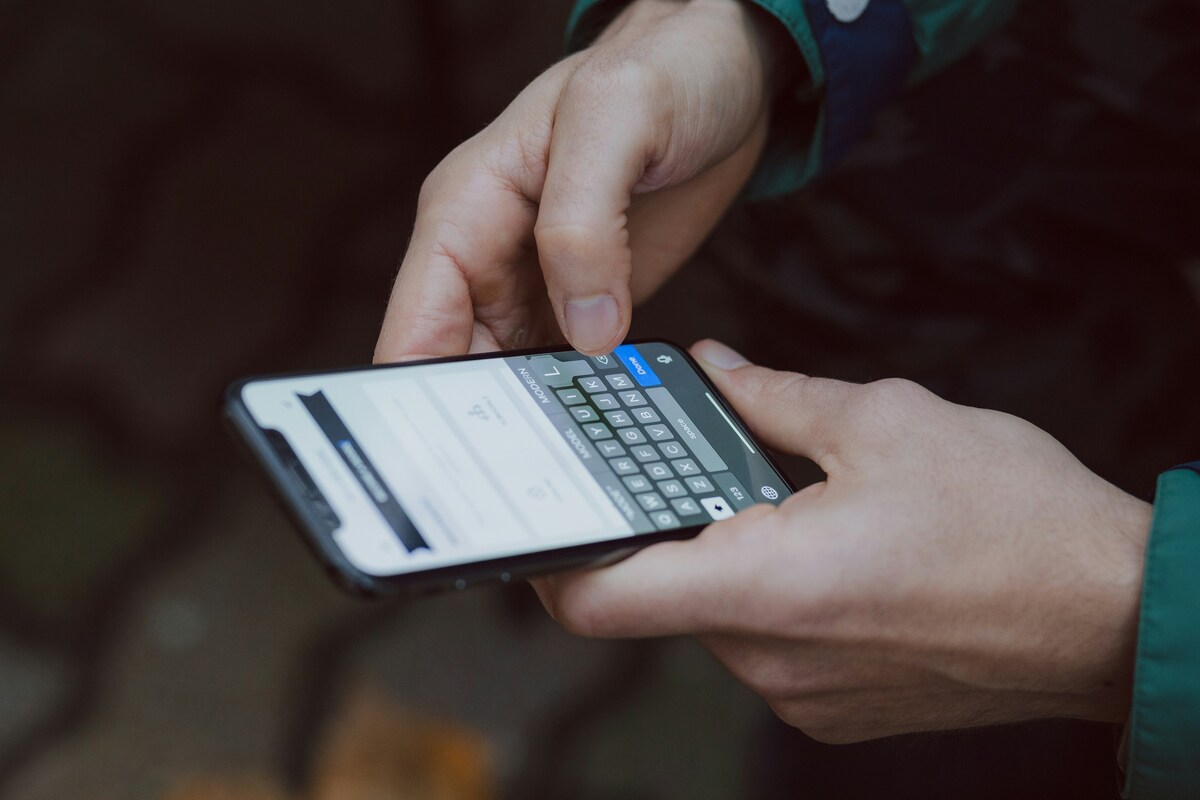
(Insert featured image here. ALT: Phone displaying a branded bulk SMS campaign message)
Blasting one message to your entire contact list is the most common error. A customer who bought last week, a lead who enquired a year ago and a long-silent subscriber need different messages.
How to fix it
The same applies by sector. A school sending fee reminders to parents and a retailer announcing a sale need different tone and timing. If you want ideas for your sector, see how bulk SMS works across different industries.
When a message arrives from a random number, many people ignore it or assume it's spam. The sender name is the first thing a recipient sees, so it decides whether the message gets opened.
How to fix it
A custom sender ID turns your message from an unknown number into a familiar brand name, which helps trust and response.
Even a good message fails if it arrives at the wrong moment, such as late at night, during early-morning rush hour or three times in one day. Over-messaging is also the quickest way to get people to opt out.
How to fix it
There's no single perfect time for every audience, so compare results from your own campaigns rather than copying someone else's schedule.
Want a recognisable sender name on your next campaign? Get Started
SMS gives you very little space. A standard single SMS holds 160 characters. Longer messages are split into segments of 153 characters, and adding an emoji or special character can cut the limit to 70, so a campaign can cost more than you expect. Messages that ramble, use all capitals or hide the point rarely get action.
How to fix it
Weak: "DEAR CUSTOMER BIG SALE NOW!!! COME TO OUR SHOP!!!"
Better: "Hi Ade, our weekend sale starts Friday. Show this SMS in store for your offer. Reply STOP to opt out."
Check pricing for longer messages before sending large campaigns, so costs don't surprise you. You can see how this works on the bulk SMS pricing page.
Many businesses send a campaign, then move on without looking at what happened. Without data, you repeat the same mistakes: bad numbers stay on your list, weak messages stay in use and the best timings go undiscovered.
How to fix it
With real-time SMS analytics, you can see delivery results as they come in and adjust instead of guessing.
Before you press send on your next bulk SMS campaign, confirm:
Why is my bulk SMS campaign not getting responses?
The usual causes are poor targeting, an unrecognised sender name, bad timing or unclear copy. Review each one in turn, starting with who you sent it to and what they were asked to do.
What is a good time to send bulk SMS in Nigeria?
Daytime hours when people are awake and likely to check their phones usually work best. The ideal slot varies by audience and message, so test small batches and compare results.
How often should I send marketing SMS to the same contacts?
Set a limit and keep it consistent. Too many messages increase opt-outs, while too few can make your brand forgotten. Watch your unsubscribe and response rates to find the right balance.
How can I improve SMS delivery rates?
Keep your contact list clean, use a recognisable sender name registered through your provider, follow compliance rules and check delivery reports after each campaign to remove numbers that keep failing.
Most poor bulk SMS results trace back to the same five causes: poor targeting, unknown sender names, bad timing, weak copy and ignored reports. Fix those and each campaign gets more reliable.
Ready to send campaigns that perform? Get Started with eSMSafrica and put these fixes into your next campaign. Have questions first? Visit our FAQ page.

Learn what a custom Sender ID is, why Nigerian networks require registration, and how to get your brand name approved for SMS in Nigeria

Why some bulk SMS arrives instantly and some doesn't. A practical look at direct carrier routes, grey routes, and what to check before choosing an SMS provider in Africa.

Reliable bulk SMS remains essential for African businesses in 2026. Learn why delivery quality, reach and infrastructure still matter more than ever.